



Education is changing quickly. Digital classrooms, online learning platforms, interactive applications and artificial intelligence are influencing how students find information and complete academic work. These changes sometimes raise an important question: Is a professional teaching degree still relevant when technology can deliver lessons and answer questions?
Technology can provide information, but effective teaching involves much more. Teachers interpret student needs, explain difficult ideas, encourage participation and create environments where learners feel supported. They also help students develop curiosity, confidence, discipline and independent thinking.
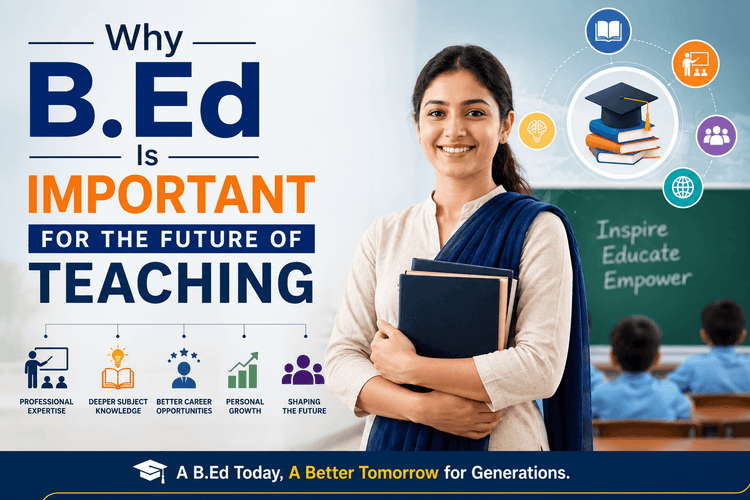
A Bachelor of Education provides aspiring teachers with the professional foundation needed to perform these responsibilities. As education evolves, trained teachers are not becoming less important. Their role is becoming more complex and significant.
Teaching Is More Than Subject Knowledge
Knowing a subject and teaching it effectively are different abilities. A person may understand mathematics or science but still find it difficult to explain the subject to students with different learning needs.
Teachers must decide how to introduce a concept, which examples to use and how to check whether students have understood it. If the first explanation does not work, they need to adapt their approach.
A B.Ed programme introduces aspiring educators to pedagogy—the methods and principles of teaching. It helps them understand how learners develop, how classrooms function and how different teaching methods affect learning.
This professional knowledge enables teachers to convert subject expertise into meaningful educational experiences.
Why Technology Cannot Replace Teachers
Digital tools can make learning more accessible and engaging. Teachers may use presentations, videos, simulations, quizzes and online resources to demonstrate ideas. Artificial intelligence can assist with lesson planning, practice questions and administrative work.
However, technology cannot independently understand every learner’s situation.
An application may recognise that a student answered a question incorrectly. A teacher can investigate why. The learner may have misunderstood the concept, struggled with the language, lacked confidence or needed a different example.
Teachers also observe changes in behaviour, motivation and participation. They know when a student needs encouragement, additional guidance or a greater challenge. These decisions require empathy, context and professional judgement.
The future of education will therefore involve teachers working with technology—not technology working without teachers.
What Does a B.Ed Degree Teach?
Although the exact curriculum can vary, B.Ed programmes generally introduce several important areas of professional teaching.
Teaching methods
Aspiring teachers learn how to plan lessons, communicate learning objectives, explain concepts, ask meaningful questions and organise classroom activities.
Teaching methods may differ between subjects. A science lesson might involve experiments, while a language lesson could focus on reading, discussion and creative expression.
Educational psychology
Students do not learn at the same pace or in the same way. Educational psychology helps future teachers understand development, motivation, behaviour and individual differences.
This understanding can help teachers respond thoughtfully instead of expecting every student to perform identically.
Classroom management
Classroom management is not simply about discipline. It includes establishing routines, maintaining attention, encouraging respectful behaviour and creating a safe environment for participation.
A well-managed classroom allows teachers to spend more time supporting learning.
Assessment and feedback
Tests are only one method of measuring progress. Teachers may also use assignments, projects, classroom discussions and observation.
Professional training helps teachers design appropriate assessments and provide feedback that shows students how to improve.
Inclusive education
Modern classrooms may include learners with different social, cultural, linguistic and educational backgrounds. Teachers need to recognise barriers that could prevent a student from participating fully.
A B.Ed introduces future educators to inclusive practices and the importance of treating learners fairly and respectfully.
Teaching practice
Practical teaching experience helps students connect educational theory with actual classroom situations. It can develop confidence, communication skills and the ability to reflect on teaching decisions.
Skills Required by Future Teachers
The future of teaching will require educators to combine professional values with modern skills.
Digital literacy
Teachers should know how to evaluate and use digital resources. They must consider accuracy, privacy, accessibility and suitability before introducing a tool into the classroom.
They also have an important role in teaching students how to identify reliable information online.
Communication
Teachers communicate with students, parents, colleagues and administrators. They need to explain concepts clearly, listen carefully and provide constructive feedback.
Adaptability
A lesson may not always proceed according to plan. Students may need more explanation, an activity may not work or technology may fail. Teachers must adapt without losing sight of the learning objective.
Emotional intelligence
Patience, empathy and self-awareness are essential in education. A teacher’s response can influence a student’s confidence and willingness to participate.
Responsible use of AI
AI tools can support lesson preparation, but teachers must review their output for errors, bias and suitability. They must also help students use AI as a learning aid instead of a substitute for independent thought.
Career Opportunities After B.Ed
B.Ed graduates may explore a range of education-related career paths depending on their academic background, subject specialisation and additional qualifications.
Potential opportunities can include:
- School teaching
- Subject teaching
- Online tutoring
- Educational content development
- Curriculum support
- Academic coordination
- Education-technology roles
- Learning and development
- Educational administration
- Further study in education
Some roles may require eligibility tests, postgraduate qualifications or professional experience. Candidates should verify the current requirements for their preferred position through the relevant official sources.
Completing B.Ed does not guarantee employment. Career outcomes depend on individual ability, subject knowledge, communication skills, applicable eligibility requirements and available opportunities.
Is B.Ed the Right Choice for You?
B.Ed may be suitable if you enjoy explaining ideas, working with learners and contributing to their development. Before choosing the programme, ask yourself:
- Do I communicate with patience and clarity?
- Do I enjoy helping others understand difficult ideas?
- Am I willing to keep learning throughout my career?
- Can I work responsibly with students from different backgrounds?
- Am I interested in both my subject and the process of teaching?
Observing classrooms, volunteering in educational activities or speaking with experienced teachers can help you make a more informed decision.
Choosing a B.Ed College in Ghaziabad
Students comparing B.Ed colleges in Ghaziabad or Delhi NCR should evaluate the applicable curriculum, teaching-practice opportunities, academic guidance, learning environment and exposure to educational technology.
Current eligibility, programme duration, fees and admission requirements should always be verified through official sources before applying.
Students considering IPEM Group of Institutions can explore its current B.Ed programme information and contact the admissions team to understand the applicable requirements.
Conclusion
Technology will continue to reshape education, but it cannot replace the understanding and human connection that effective teachers provide. Future educators will need to combine teaching knowledge with digital literacy, adaptability and responsible professional judgement.
A B.Ed remains an important pathway for graduates who want to understand teaching as a profession. Aspiring teachers should carefully explore the programme, verify current requirements and choose a learning environment that supports both educational theory and practical experience.